
Indian ecommerce logistics is usually discussed as a courier problem. That is too late and too narrow. A parcel can be lost before dispatch because the COD order was never real or the address cannot be used. It can fail in the network because the wrong courier received the lane. It can become an RTO because nobody worked the first NDR. Even after delivery, reverse pickup, QC, refund and invoice errors can consume the margin.
This guide groups the work by where the failure happens. Start with the stage that is leaking today, then follow the neighbouring guides upstream and downstream. Future-dated articles appear here only when they are published.
Prevent avoidable delivery failures
Start before dispatch: confirm intent, capture a usable address, then work every failed attempt while the parcel can still be recovered.
- How to reduce RTO in e-commerce in India — COD-heavy categories run 20–40% RTO. Where the ₹150–₹250 per parcel goes, and the fixes that work without blocking genuine buyers.
- COD confirmation on WhatsApp: the five minutes that decide RTO — Why the five minutes after a COD order decide a large share of RTO, and how a WhatsApp confirmation flow works inside consent and DPDP rules.
- How to shift COD customers to prepaid: partial COD, prepaid discounts, and trust — COD share is the root cause behind much of the RTO problem. Partial COD, honest discounts and trust signals that move buyers up the payment ladder.
- Address quality and pincode serviceability: the hidden driver of NDR — Missing floors, vague landmarks, pin-area mismatches. How address capture, WhatsApp verification and serviceability data cut failed deliveries before dispatch.
- NDR management: how to recover failed deliveries before they turn into RTO — 15-20% of Indian e-commerce orders generate an NDR. What good recovery looks like in the hours before the courier gives up and ships the parcel back.
Choose couriers and control freight
Measure courier performance on your own lanes, route each order by current evidence, and reconcile the bill against what actually shipped.
- How to choose a courier partner in India, and why one is never enough — There is no single best courier. The criteria that matter, why serious brands run two to four partners, and the hidden cost of allocation rules nobody maintains.
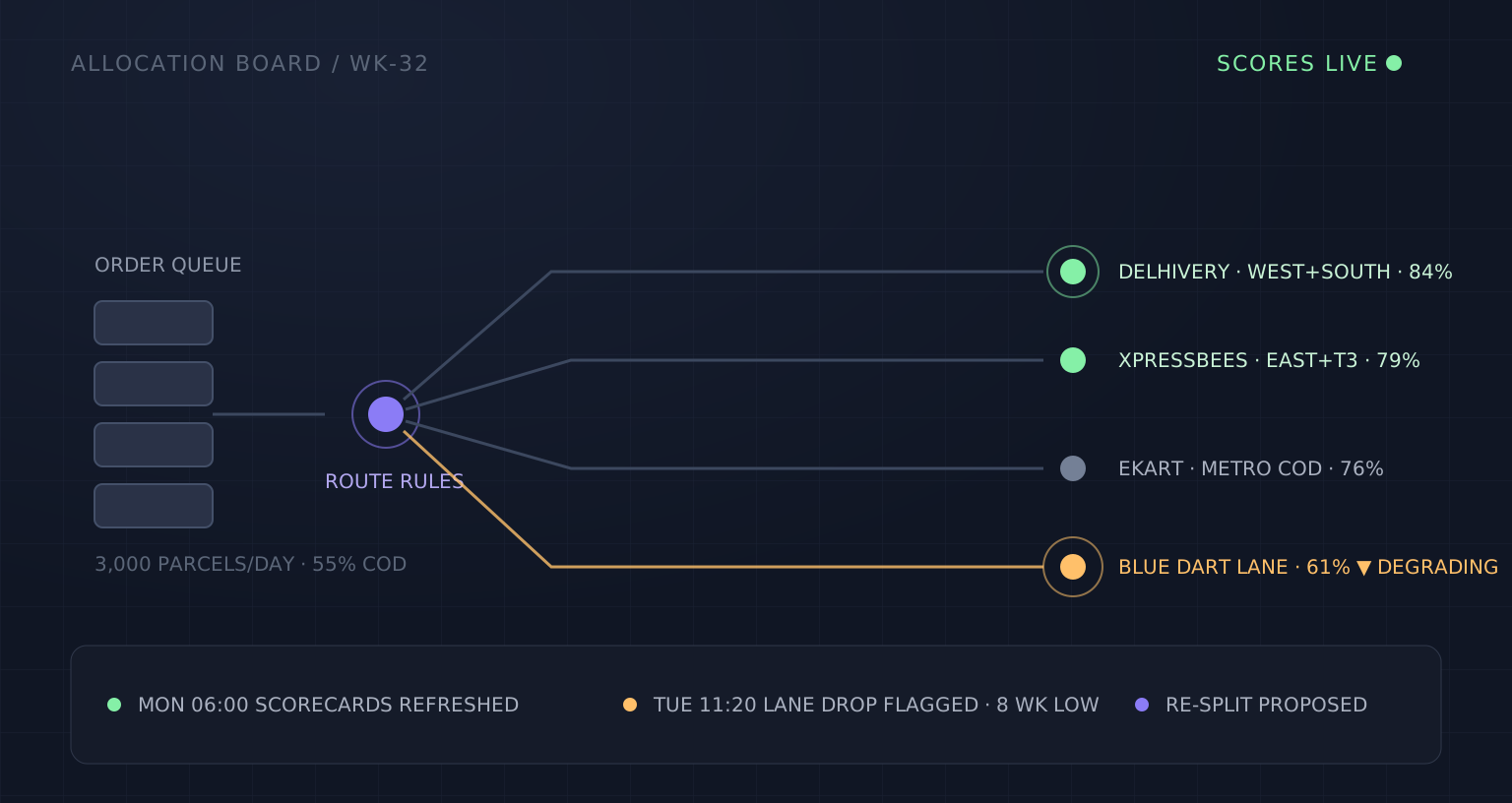
- Multi-courier allocation strategy: when one courier partner isn't enough — Allocation rules by zone, weight and COD value, honest courier scorecards, and the four signals that a second partner is now cheaper than the status quo.
- Courier weight discrepancy: the quiet leak in your freight bill — Billed vs actual weight is a recoverable leak. How discrepancies arise, how to audit them line by line, and what a checking agent can file for you.
- Courier invoice reconciliation and freight audit: getting your money back — Weight discrepancies are one line item. Zone misclassification, COD remittance delays and duplicate charges — the monthly audit that recovers 1-2% of freight spend.
Manage customer updates, returns and refunds
A delivered order can still become an expensive support and reverse-logistics workflow. Make every state visible and keep judgment with people.
- WISMO tickets: how to automate 'where is my order' without losing the customer — WISMO is the largest ticket category in D2C support, and most of it is answerable from courier scan data you already have. How to automate the answer and keep humans on the hard cases.
- Proactive shipment notifications: cutting WISMO before the ticket exists — The cheapest ticket is the one never raised. Milestone updates, delay warnings before the promise breaks, and NDR alerts customers actually read.
- Customer returns in India: running reverse logistics without the bleed — Returns are a separate pipeline from RTO. Reverse pickup failures, QC disputes and refund TAT — where the money leaks, and what fixes it.
- Automating refund status queries: answering "where is my refund?" — Refund tickets spike 2-3× after the festive season. The three clocks behind every refund, and the automation that answers with a date.
- Festive season logistics in India: the August readiness checklist — Diwali volume doubles daily parcels and temp hiring breaks first. The August-timed readiness checklist: capacity, COD coverage, NDR response.
Measure the flow, not one headline number
Track the stages separately: COD confirmation, address correction, first-attempt delivery, NDR recovery, RTO, reverse-pickup success, refund turnaround and invoice recovery. A blended delivery rate cannot tell you which team should act next. A stage-level funnel can.
If the data sits across courier portals, spreadsheets and support inboxes, start by mapping one workflow. The free process review identifies the queue, handoff or exception category costing the most time before anyone proposes automation.